Alberta's open highways and rural roads demand more than good tires and careful driving when winter arrives. Black ice, sudden whiteouts, and reduced visibility create hazards that require advanced technology working alongside you to prevent collisions before they happen.
Kia equips its vehicles with an integrated network of cameras, radar sensors, and processing systems that continuously monitor your surroundings in Medicine Hat's challenging winter conditions. From Highway 1 to the back roads connecting surrounding communities, these systems provide critical support when conditions deteriorate and reaction time becomes everything.
Understanding Kia's Core Safety Technologies
Kia's Advanced Driver-Assist Systems (ADAS) combine multiple layers of collision avoidance technology through cameras, radar sensors, and processing systems that detect potential hazards and intervene when necessary.
Forward Collision-Avoidance Assist (FCA) uses front-mounted cameras and radar to scan the road ahead, identifying vehicles, pedestrians, and cyclists in your path. The system provides visual and audible warnings when it detects a potential collision, and can automatically apply the brakes to reduce impact severity or avoid the collision entirely. Advanced versions include Junction Turning function, which extends protection to left-turn scenarios at intersections—a common collision point on icy roads.
Lane Following Assist (LFA) and Lane Keeping Assist (LKA) work together to maintain your position within lane markers. LFA uses windshield-mounted cameras to detect road lines and actively centres your vehicle in the lane, particularly valuable during snowfall when visibility drops and lane markers become difficult to see. LKA provides corrective steering inputs if you begin drifting without signalling, helping prevent unintentional lane departures on slippery surfaces.
Blind-Spot Collision-Avoidance Assist (BCA) monitors the areas alongside and behind your vehicle using rear-mounted radar sensors. When you activate your turn signal and the system detects a vehicle in your blind spot, it provides visual alerts in your side mirror and audible warnings. If you continue the lane change, the system can apply corrective steering and braking to prevent a collision—essential protection when snow accumulation on side windows reduces your ability to check blind spots manually.
Highway Safety: Protection on Alberta's Open Roads
Alberta's highway network presents unique winter challenges. Long stretches between communities, high speeds, and exposure to crosswinds create conditions that demand active safety support.
Highway Drive Assist (HDA) combines adaptive cruise control with lane centring to reduce driver fatigue on long trips. The system maintains a set following distance from vehicles ahead while keeping you centred in your lane, automatically adjusting speed to match traffic flow. On winter highways, HDA provides active support that adapts to changing conditions and maintains critical spacing for safe stopping distances.
Smart Cruise Control with Stop & Go extends traditional cruise control functionality to handle congested traffic situations. The system can bring your vehicle to a complete stop if traffic ahead stops, then resume movement when traffic flows again—particularly useful during winter storm slowdowns on Highway 1 or when approaching Medicine Hat during evening rush hour in reduced visibility.
Driver Attention Warning (DAW) monitors your driving patterns and alerts you if it detects signs of drowsiness or inattention. Winter driving demands sustained concentration, and fatigue becomes a serious risk factor during long highway trips in challenging conditions. DAW provides an early warning system that prompts you to take a break before your reaction time becomes compromised.
Parking and Low-Speed Manoeuvring Protection
Winter parking lots and residential streets create collision risks through snow accumulation that reduces available space, creates blind spots, and makes low-speed manoeuvring more challenging.
Rear Cross-Traffic Collision-Avoidance Assist (RCCA) uses rear-mounted radar to monitor traffic approaching from either side when you're reversing. In snow-covered parking lots with sightlines obstructed by snowbanks and parked vehicles, RCCA provides critical awareness of cross traffic you cannot see directly. The system alerts you to approaching vehicles and can automatically apply brakes to prevent a collision.
Parking Distance Warning (PDW) uses ultrasonic sensors in the front and rear bumpers to detect obstacles during parking manoeuvres. The system provides audible alerts that increase in frequency as you approach objects—helpful when snow accumulation makes it difficult to judge distances accurately or when parking sensors detect obstacles hidden beneath snow.
Safe Exit Assist (SEA) monitors traffic approaching from behind when passengers prepare to exit the vehicle. If the system detects a vehicle or cyclist approaching in the adjacent lane, it temporarily prevents rear doors from opening and provides visual and audible warnings. This feature proves particularly valuable during winter when reduced visibility and icy roads increase the risk of passing vehicles being unable to stop or swerve safely.
Comparing Kia ADAS Across Popular Models
Different Kia models offer varying levels of ADAS technology depending on trim level and intended use. Understanding these differences helps you choose the right vehicle for your winter driving needs in Alberta.
|
Feature
|
Seltos
|
Sportage
|
Carnival
|
EV9
|
|
Forward Collision-Avoidance Assist
|
FCA (Car/Pedestrian/Cyclist)
|
FCA 1.5 (Car/Pedestrian/Cyclist/Junction)
|
FCA (Car/Pedestrian/Cyclist/Junction Turning)
|
FCA 2 with Junction Crossing
|
|
Lane Assistance
|
LKA + LFA
|
LKA + LFA 2
|
LKA + LFA
|
LKA + LFA + HDA2
|
|
Blind-Spot Protection
|
BCA
|
BCA
|
BCA
|
BCA + BCW
|
|
Rear Cross-Traffic
|
RCCA
|
RCCA
|
RCCA
|
RCCA + RCCW
|
|
Parking Assistance
|
Rearview Camera
|
PDW Front/Rear + Rearview Camera
|
PDW Front/Rear + Rearview Camera
|
PDW Front/Rear + Surround View
|
|
Highway Driving Assist
|
—
|
Available (HDA)
|
HDA
|
HDA2
|
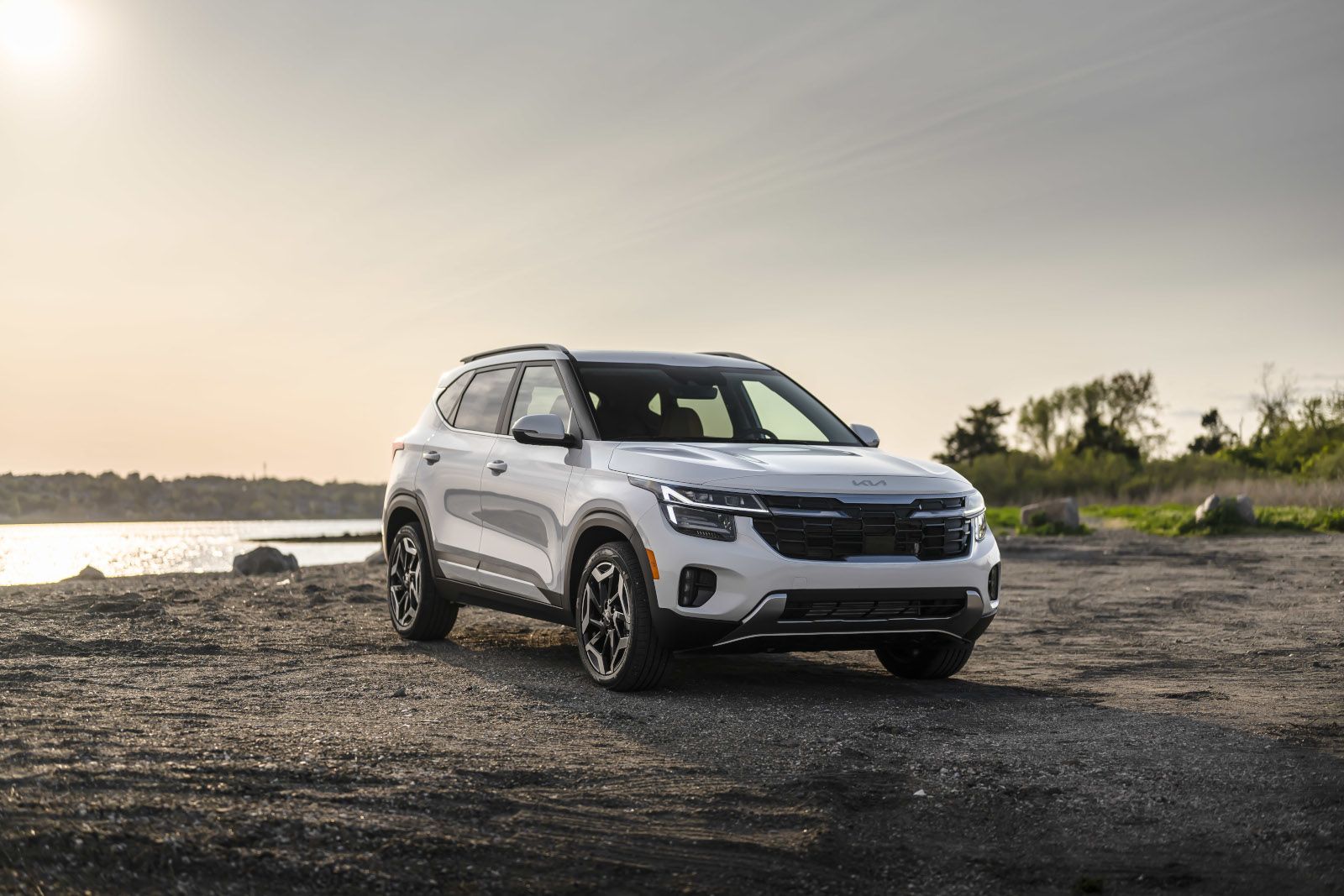
The Seltos provides comprehensive core ADAS features suitable for urban and suburban driving in Medicine Hat, with FCA, LKA, LFA, BCA, and RCCA all standard across the lineup. This makes it an accessible entry point for drivers seeking winter collision avoidance technology without stepping up to larger SUV segments.
The Sportage adds FCA 1.5 with Junction function and LFA 2, providing enhanced intersection protection and more sophisticated lane centring—valuable upgrades for drivers who frequently navigate Medicine Hat's busier intersections or make regular highway trips to Calgary or Lethbridge. HDA is available on select trims, including Hybrid models.
The Carnival includes Junction Turning function in its FCA system and adds HDA for highway driving, making it well-suited for families making longer winter trips across Alberta while carrying multiple passengers who benefit from the additional safety layers.
The EV9 delivers the most advanced ADAS offering, with FCA 2 including Junction Crossing detection, HDA2 providing enhanced highway automation, additional collision warning systems (BCW, RCCW), and Surround View monitoring for complete awareness in tight parking situations—ideal for drivers who prioritize maximum safety technology and frequently drive in varied conditions.
Real-World Winter Performance Considerations
ADAS technologies provide significant safety benefits, but understanding their limitations in winter conditions ensures you use them effectively and maintain appropriate situational awareness.
Camera and Sensor Maintenance: Snow, ice, and road spray can obstruct cameras and radar sensors, temporarily reducing system effectiveness. Before driving, clear snow and ice from the front grille area (radar sensors), windshield (forward cameras), and rear bumper (parking and cross-traffic sensors). Most Kia models will display warnings if sensors become obstructed.
System Limitations in Severe Weather: Heavy snowfall, blowing snow, and freezing rain can reduce the detection range and accuracy of camera-based systems. Lane markers buried under snow may not be visible to LKA/LFA systems, and heavy precipitation can affect radar performance. Always maintain manual control and do not rely solely on ADAS in severe conditions.
Tire and Vehicle Preparation: ADAS systems enhance safety but cannot overcome the fundamental physics of winter driving. Proper winter tires, adequate tread depth, and regular vehicle maintenance remain essential. ADAS works best when your vehicle has maximum available traction and stopping capability.
Driver Responsibility: All Kia ADAS features are driver-assist systems, not autonomous driving technology. You remain responsible for vehicle control, maintaining awareness of road conditions, and making final decisions about speed, following distance, and manoeuvring. ADAS provides an additional safety layer but does not replace attentive driving.
Maximizing Your ADAS Benefits This Winter
To get the most from your Kia's safety technology during Alberta winters, adopt these practical habits:
Familiarize yourself with system alerts and warnings during good weather conditions so you recognize them immediately when they activate in winter situations. Understanding the difference between various warning tones and visual indicators allows you to respond appropriately without distraction.
Adjust following distances to account for winter conditions even when using Smart Cruise Control. While the system maintains spacing automatically, manually increasing the gap setting provides additional buffer for icy roads.
Keep your windshield and sensors clear as part of your pre-drive routine. Add sensor cleaning to the same checklist as brushing off headlights and taillights—it takes seconds but ensures your ADAS systems have maximum effectiveness.
Review your owner's manual to understand which specific ADAS features your trim includes and how to access their settings. Some features can be customized for sensitivity or temporarily disabled if conditions warrant manual control.
Experience Kia's Advanced Safety Technology at Straightline Kia Medicine Hat
Winter driving in Alberta demands vehicles equipped with technology designed to handle challenging conditions. Kia's comprehensive ADAS suite provides multiple layers of collision avoidance protection that work together to keep you and your passengers safe on icy highways, snowy intersections, and slippery parking lots throughout Medicine Hat and beyond.
Our team at Straightline Kia Medicine Hat understands the specific winter driving challenges you face in southeastern Alberta. We can demonstrate how ADAS features work in real-world conditions, explain the differences between trim levels, and help you choose the Kia model that provides the right balance of safety technology for your driving needs. Visit our dealership in Medicine Hat to experience these advanced safety systems firsthand and discover how Kia's collision avoidance technology can provide greater confidence during winter months.
To learn more about the 2026 Kia Seltos, visit Kia.ca